
tempered glass price
Understanding Water Turn-Off Valves Importance, Types, and Maintenance Water turn-off valves play a critical role in residential and commercial plumbing systems. These valves are essential for controlling water flow, enabling users to shut off water supply for maintenance, emergencies, or regular usage adjustments. Understanding the significance of these valves, their types, and how to maintain them can help homeowners and property managers ensure a seamless water supply while preventing potential disasters. Importance of Water Turn-Off Valves Water turn-off valves serve several essential purposes. Primarily, they allow for the quick isolation of water supply, which is crucial in emergencies, such as burst pipes or leaks. By quickly shutting off the water, property owners can minimize damage and prevent costly repairs. Additionally, these valves are integral during plumbing repairs or renovations. Plumbers and technicians can safely carry out their work without the risk of water flooding the area. Furthermore, water turn-off valves facilitate routine maintenance of plumbing systems. Homeowners can easily shut off the water when replacing fixtures, performing inspections, or winterizing their plumbing systems. Having functional and accessible valves ensures that any necessary work can be accomplished with minimal disruption. Types of Water Turn-Off Valves There are several types of water turn-off valves commonly used in residential plumbing systems, each with unique features and applications 1. Gate Valves These valves are designed to start and stop water flow. They consist of a circular gate that lifts up or down to control the water supply. Gate valves are often used in main water lines due to their reliability, but they may not be the best choice for frequent adjustments as they can wear out over time. 2. Ball Valves Known for their durability and ease of use, ball valves have a spherical disk that rotates to open or close the valve. They are highly efficient and ideal for applications where water supply needs to be adjusted regularly. 3. Globe Valves These valves have a spherical body that creates a choke point for fluid flow. They are primarily used for regulating flow rather than complete shut-off. Globe valves are not typically used as main turn-off valves but can be valuable for controlling water supply in specific areas. water turn off valve 4. Quarter-Turn Valves These valves can be operated with just a quarter turn of the handle. Ball valves and butterfly valves fall under this category. They offer quick operation and are ideal for frequent on/off cycling. 5. Angle Valves Commonly used for fixtures such as sinks and toilets, angle valves come with an inlet and outlet that are angled at 90 degrees. They are compact and convenient for space-restricted areas. Maintenance of Water Turn-Off Valves Regular maintenance of water turn-off valves is essential in ensuring their longevity and functionality. Here are some key maintenance tips 1. Regular Inspection Periodically check the valves for signs of leaks, rust, or wear. Early detection of issues can prevent more significant problems later on. 2. Exercise the Valves It is advisable to open and close the valves at least once a year to keep them functional. This practice helps prevent them from seizing over time, especially for gate and globe valves. 3. Clean and Lubricate Ensure that the valve handles and threads are free from debris. If necessary, apply a silicone-based lubricant to moving parts to keep them operating smoothly. 4. Replace Old Valves If a valve shows significant signs of wear or fails to operate correctly, it is best to replace it. Having new, reliable valves can significantly reduce the risk of leaks and plumbing emergencies. Conclusion Water turn-off valves are vital components of any plumbing system. They provide convenience, control, and safety for homeowners and businesses alike. By understanding the different types of valves and implementing regular maintenance practices, property owners can ensure a reliable and functional plumbing system. In doing so, they safeguard their properties against water-related emergencies while enhancing the efficiency of their plumbing operations. Whether you are a seasoned homeowner or new to property management, being knowledgeable about water turn-off valves will serve you well in maintaining your plumbing system effectively.
about
tempered glass price
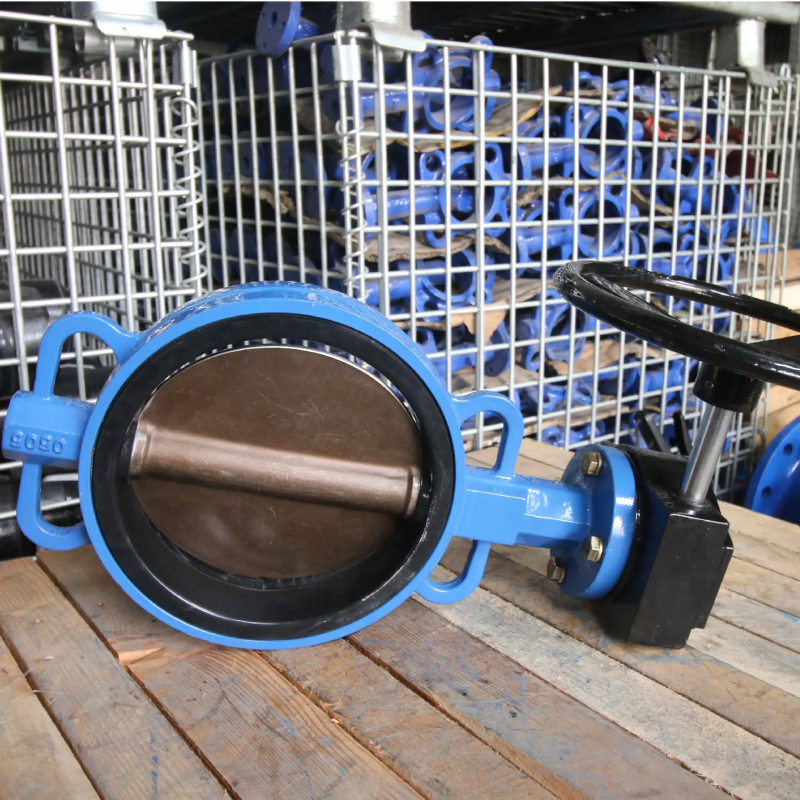
Understanding Butterfly Valve Types and Applications Butterfly valves are a type of flow control device utilized extensively across various industries due to their simple yet effective design. These valves are particularly favored for their ability to provide quick shut-off and precise flow regulation. In this article, we will explore the different types of butterfly valves and their specific applications. Types of Butterfly Valves 1. Concentric Butterfly Valve The concentric butterfly valve, also known as the rubber-seated valve, has a disc that is centered in the pipe. The disc rotates around a fixed shaft, and when it is turned to a quarter turn, it either opens or closes flow. These valves are commonly used in low-pressure applications because they offer resistance to wear and perform well in water and air service. 2. Eccentric Butterfly Valve The eccentric butterfly valve is designed with the disc being offset from the centerline of the valve body. This offset allows for less friction when the valve opens and closes, productively reducing wear and increasing the valve's lifespan. Eccentric butterfly valves are more suitable for high-pressure applications and can better handle slurries, making them ideal for wastewater treatment and chemical processing. 3. High-Performance Butterfly Valve These valves are designed for high-pressure and high-temperature applications where precise flow control is crucial. They often feature a metal seat and are made from advanced materials to withstand severe conditions. High-performance butterfly valves are frequently employed in sectors such as oil and gas, power generation, and other industrial processes where reliability and efficiency are paramount. 4. Triple Offset Butterfly Valve This design allows for the disc to completely seal against the seat with minimal wear due to its unique geometry. In triple offset butterfly valves, both the shaft and the disc are designed to create a conical sealing surface, which is particularly effective in high-pressure and high-temperature environments. They are primarily used in critical applications where leak-free performance is essential, such as in the petrochemical and nuclear industries. Applications of Butterfly Valves Butterfly valves play a crucial role in a wide range of industrial applications, including butterfly valve types and applications - Water and Wastewater Treatment In municipal and industrial water systems, butterfly valves help in regulating water flow and pressure, making them essential for treatment processes. - Oil and Gas Industry Used to control the flow of crude oil, natural gas, and other fluids, butterfly valves ensure efficient transport and processing in pipelines and refineries. - HVAC Systems These valves are employed in heating, ventilation, and air conditioning systems to control airflow and maintain environmental conditions within buildings. - Chemical Processing In industries handling aggressive chemicals or corrosive materials, butterfly valves provide reliable sealing and control, minimizing the risk of leaks and environmental hazards. - Pharmaceuticals Precision and hygiene are critical in the pharmaceutical sector. Butterfly valves are used for fluid management, especially in processes involving sterile conditions. - Food and Beverage Production Sanitary butterfly valves are designed to meet hygiene standards necessary for food processing, providing smooth flow and easy cleaning. Conclusion In summary, butterfly valves are integral components across numerous industries due to their versatility, efficiency, and durability. Understanding the different types of butterfly valves, such as concentric, eccentric, high-performance, and triple offset, alongside their specific applications helps industries make informed decisions regarding flow control solutions. Considering factors such as pressure, temperature, fluid type, and required sealing capabilities ensures the selection of the most suitable valve type, ultimately leading to improved process efficiency and reliability. As industries continue to evolve, the demand for reliable flow control devices like butterfly valves will remain a critical aspect of various processes.
-

High quality industrial productsagement

High quality industrial products
View Details -

Meet the diverse needs of customers

Meet the diverse needs of customers
View Details -

Strict quality control

Strict quality control
View Details -

Top raw materials

Top raw materials
View Details -

Trusted supplier

Trusted supplier
View Details
Our application


news and information
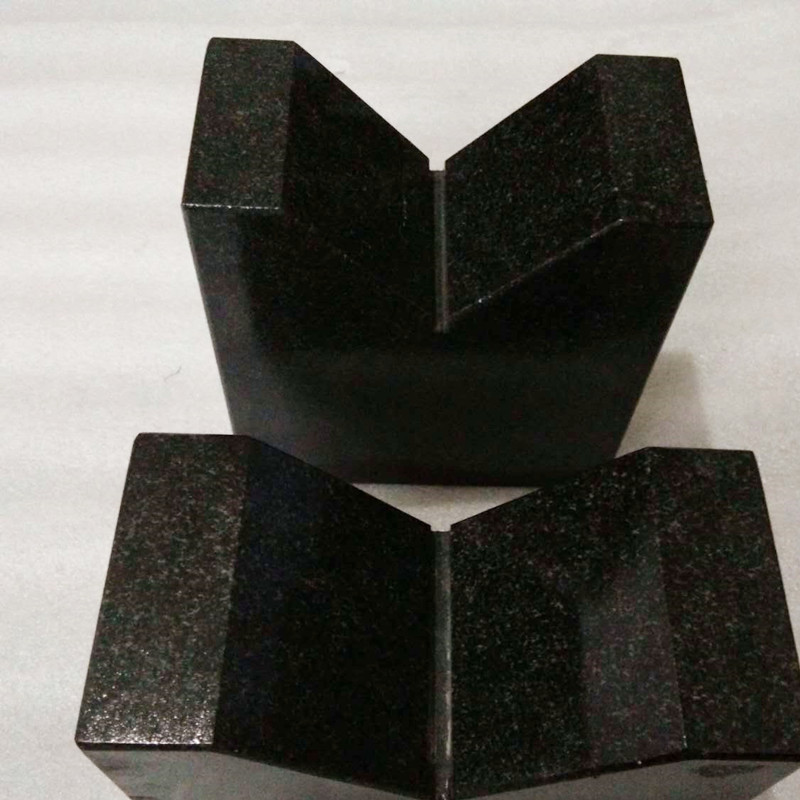
Using a Level for Accurate Measurements with a Marking Ruler
Using a Marking Ruler with Spirit Level A Guide to Precision in Projects When it comes to achieving
Water Valve Gate Design Prevents Leakage and Corrosion
In the realm of water management within pipelines, the design of water valve gate is of paramount im
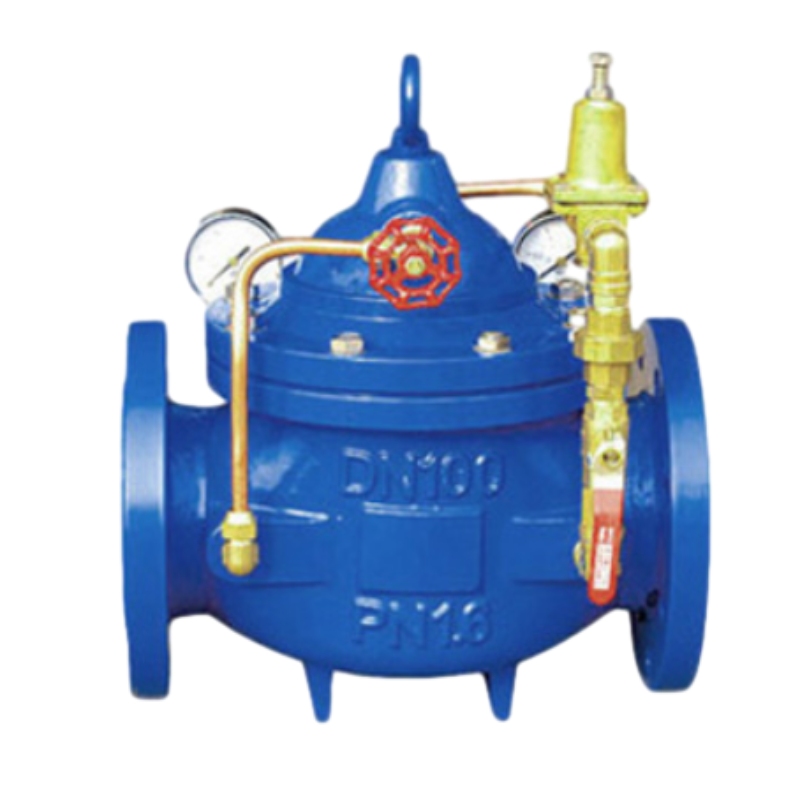
water globe valve
Understanding Water Globe Valves Design, Function, and Applications Water globe valves are essential
 English